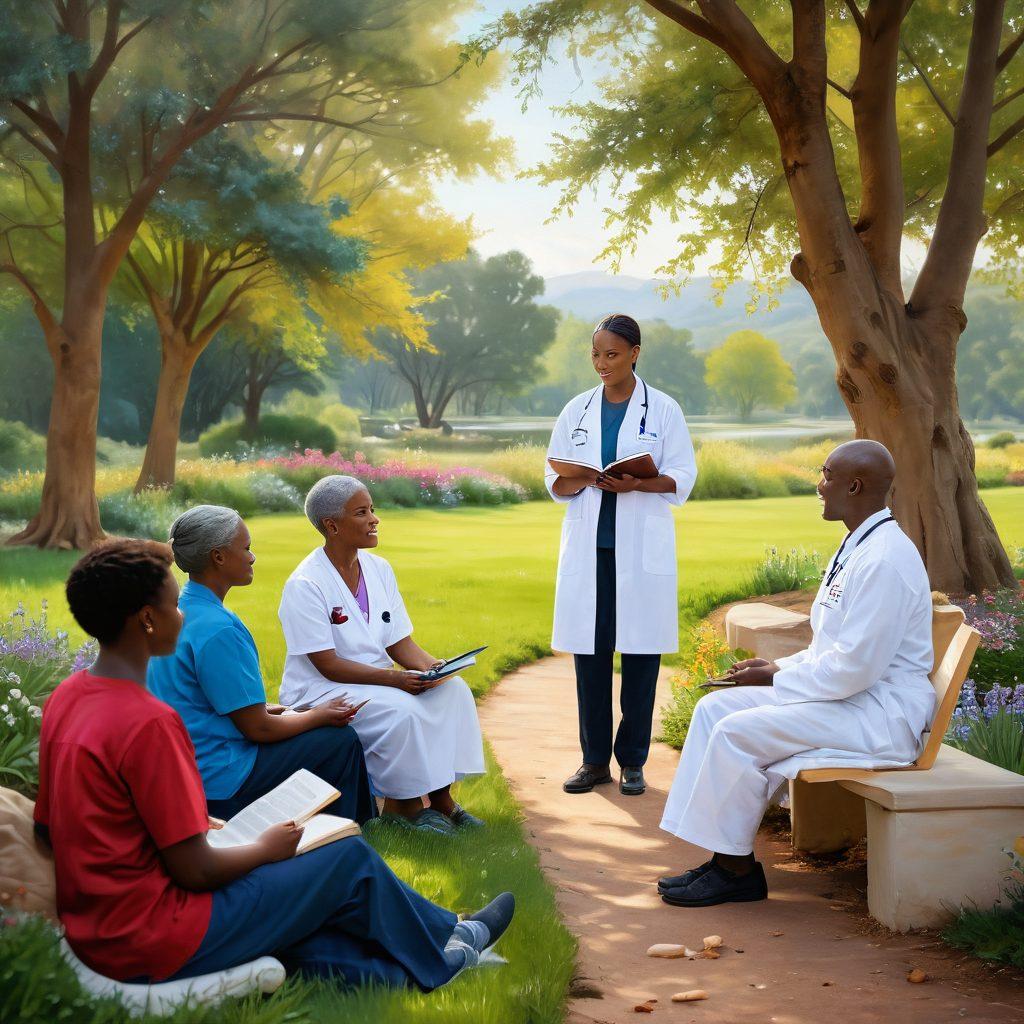
Navigating the Cancer Journey: Empowering Patients with Knowledge and Support
If you or a loved one has received a cancer diagnosis, the journey ahead can feel daunting. Many patients find themselves grappling with a whirlwind of emotions—fear, uncertainty, and even isolation. However, there’s a powerful antidote to these feelings: knowledge. By empowering yourself with essential cancer resources and reliable cancer information, you can transform what often feels like a chaotic experience into one where you can take back some control. After all, understanding your condition and treatment options for cancer can lay the groundwork for effective cancer care while fostering a sense of community and support.
Think about this: You wouldn’t embark on a road trip without a map, would you? Similarly, navigating your cancer journey requires a solid understanding of your diagnosis, treatment options, and available resources. This is where oncology blogs come into play. These platforms often provide a treasure trove of cancer education, ranging from the latest oncology research and treatment modalities to survivor stories that inspire resilience. Engaging with content from a reputable health blog can equip you with the information you need to make informed decisions alongside your medical team.
A quote from pioneering cancer researcher Dr. Mary-Claire King touches on the essence of empowerment: "Knowledge is power. The more you know, the more you can help yourself." Reflecting on this, it’s crucial to ask yourself: Are you actively seeking cancer resources? From reputable websites run by cancer organizations to local patient support groups, there’s a wealth of information available that can help illuminate your path. Don't shy away from reaching out because the very act of asking questions can be a form of self-advocacy. And let’s not forget about preventive care—understanding your risk factors can also profoundly impact your journey.
But how can you turn this knowledge into action? Start by educating yourself on cancer symptoms that warrant a doctor's visit or further investigation. Become familiar with various cancer therapies available to you, which range from surgery and chemotherapy to innovative immunotherapies and clinical trials. Making a personal list of your treatment goals and openly discussing your desires and concerns with your healthcare provider can create a collaborative approach to your cancer care. Remember, you are not alone in this journey; the cancer community is vast and filled with individuals navigating similar challenges.
Frequently participating in cancer awareness campaigns can further bolster your resilience and support networks. Sharing your story, participating in events, or even engaging in discussions on wellness blogs can not only amplify awareness but also connect you with a community of fellow survivors and caregivers. Ultimately, staying engaged with cancer research and emerging treatment options can bolster hope and open doors to new possibilities for cancer survival. By taking these steps, you transform what could be a solitary journey into a shared experience filled with knowledge, understanding, and mutual support.
Navigating Treatment: A Comprehensive Guide to Cancer Care Options
Navigating a cancer diagnosis can feel like stepping into a whirlwind of emotions and uncertainty. Suddenly, every aspect of life seems overshadowed by a single word - cancer. But within this chaos, knowledge is a powerful ally. Understanding the vast landscape of treatment options available can not only ease your mind but also empower you to make informed decisions about your health. As an oncology blog dedicated to providing valuable cancer information, we aim to shine a light on the paths that lie ahead for patients. So, how do we navigate this intricate journey together?
When faced with a cancer diagnosis, a flurry of questions often bombards the mind: What are the treatment options for cancer? How do I find the right oncologist? Can I still participate in my regular activities during treatment? The answers can vary significantly based on individual circumstances, but one thing remains consistent: knowledge is your closest companion. This is where cancer education plays a crucial role. Educating yourself about various cancer therapies, such as chemotherapy, radiation, and immunotherapy, can help you to feel more in control. Knowledge equips you to be your own best advocate—sometimes, even the best healthcare professionals cannot provide all the answers without your input.
A common piece of wisdom echoed within the cancer community is that hope is as vital as medicine. Each plan of action may come with potential challenges, but the stories of cancer survival all share a common thread of resilience and support. Imagine a patchwork quilt; each patch represents a different patient's journey, sewn together by stories of triumph, setbacks, and the unyielding spirit of human connection. Have you ever wondered how much power the support of family and friends holds in the fight against cancer? Patient support networks, whether they be local groups or online forums, can provide comfort, shared experiences, and most importantly, a sense of belonging during such trying times.
It's vital to remember that no one journey is the same. Relying on cancer resources like wellness blogs, health tips for cancer, and educational materials can aid in tailoring a strategy that resonates with your individual needs and lifestyle. Embrace preventive care through healthy eating, regular exercise, and mental wellness activities! Often, healthcare practitioners recommend complementary therapies, like yoga or meditation, that can alleviate stress and bring emotional balance. Your fight against cancer is not just about the survival rate; it's about the life you reclaim in the process, bolstered by strength and community support.
Finally, staying informed with the latest in oncology research can vastly change the landscape of treatment. Being aware of new clinical trials, advancements in technology, or breakthrough drugs can open doors previously thought closed. Together, we can transform the narrative from one of fear to one of empowerment. Are you ready to take charge of your cancer journey? As we explore different facets of cancer care options, remember: this journey is not just about battling a disease; it’s about thriving, finding hope, and fostering a community of support that stands united against cancer.
Building a Strong Support Network: Connecting with the Cancer Community and Beyond
Navigating the cancer journey can often feel like sailing through unpredictable waters. One moment, you're steady, with your compass set on hope; the next, turbulent waves threaten to capsize your ship. This is where building a strong support network becomes your lifeboat. By connecting with the cancer community and beyond, you not only enhance your own journey but also empower others walking a similar path. Whether you're newly diagnosed or a long-term survivor, the importance of patient support cannot be overstated. How can we ensure that no one has to face this storm alone?
To start, let’s explore the beauty of community connections. Cancer, in all its complexities, often isolates individuals, making the journey feel incredibly lonely. However, within the cancer community, shared experiences foster understanding and compassion. Imagine attending a local support group, where powerful stories intertwine, and the air buzzes with awareness. Engaging with people who understand your struggles can provide real comfort, making the daunting task of seeking treatment options for cancer feel less overwhelming. Have you considered reaching out to local oncology blogs or health blogs dedicated to cancer education?
Finding information is another crucial element of building your support network. In today’s digital age, countless cancer resources are just a click away. Websites offering reliable cancer information not only serve as educational tools but also provide platforms to connect with others facing similar challenges. Think of platforms that share insights from oncology research, discuss recent advancements in treatment options for cancer, and inspire hope through cancer survival stories. Are you taking full advantage of these valuable resources available to you?
Moreover, don’t underestimate the role of your healthcare team. Your doctors, nurses, and specialists can be invaluable allies in your journey. Effective communication is key! Ask questions, seek clarifications, and engage in discussions about your cancer diagnosis and care. An informed patient is an empowered patient. Understanding cancer symptoms and potential treatment plans is essential for making choices that resonate with your values. What questions would you love to ask your healthcare provider during your next appointment?
Lastly, as you cultivate your network, remember to extend your support to others. The cancer community thrives on mutual support. Participate in cancer awareness campaigns, volunteer for organizations, or simply lend a listening ear to someone in need. Each act of kindness not only enriches the lives of others but also enhances your own healing journey. Keep in mind that wellness often begins with connection. How can you contribute to fostering a more robust cancer community today?